How to create a corporate identity manual step by step (with examples)
Por LF Channel
18 May 2026
Before starting to create a corporate identity manual, it is essential to truly understand what brand identity actually means. Many people think it is only a logo, colors, and typography, but the reality is much broader. Here we explain what it involves and what elements a good corporate identity manual should include.
What is a corporate identity manual and what is it for?
A corporate identity manual is a guide that sets the rules to maintain the visual and verbal consistency of a brand, ensuring it is always recognizable and coherent. In short, it defines how the brand communicates across all channels and with all its audiences.
A corporate identity manual can also be called a brand style guide.
Beyond an attractive logo or elegant typography, brand identity defines how a brand communicates with its audience, avoiding disorganized or inconsistent visual and verbal expression. In this way, it creates a unique image that allows people to recognize the brand even without seeing its name.
Some examples:
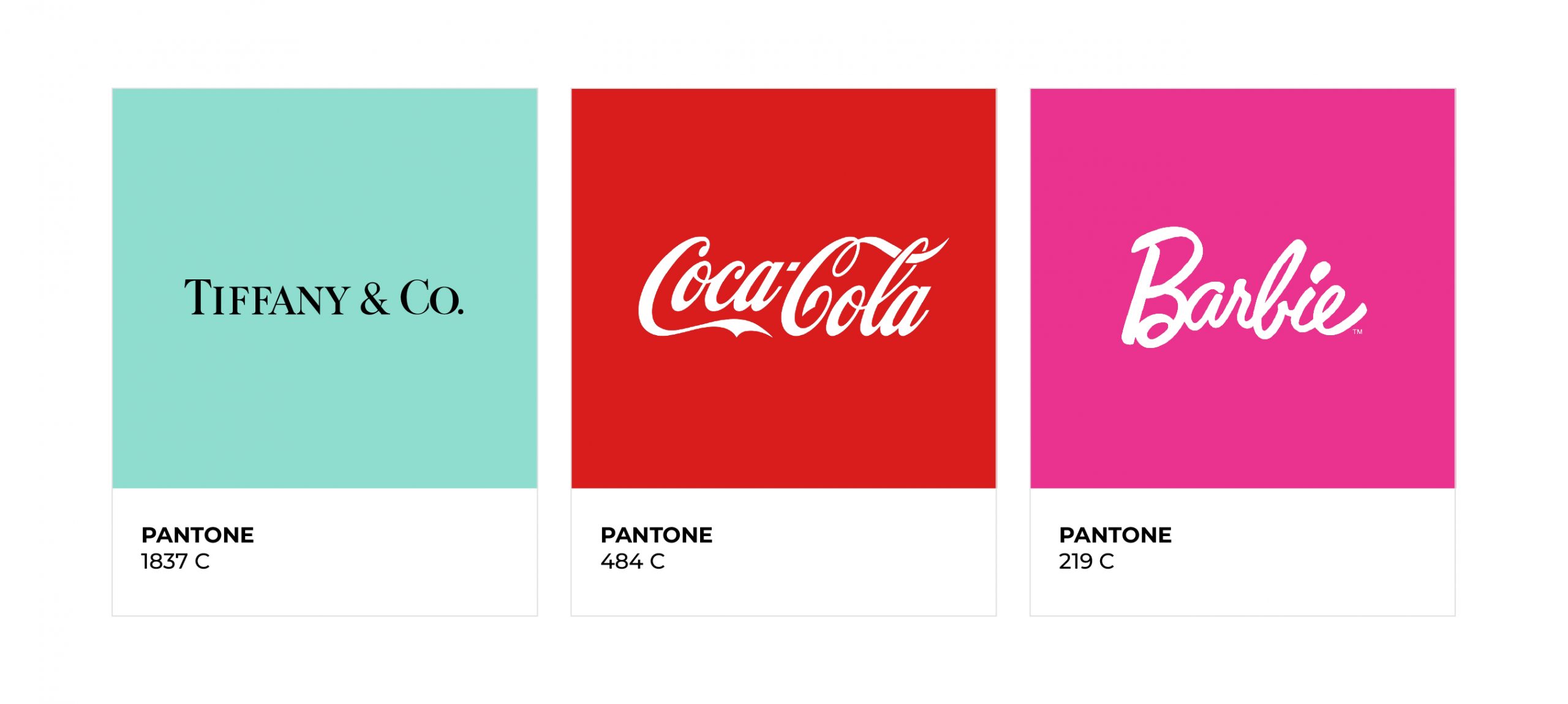
Look at these brand colors. Would you associate them with any company? You probably think of a few right away…
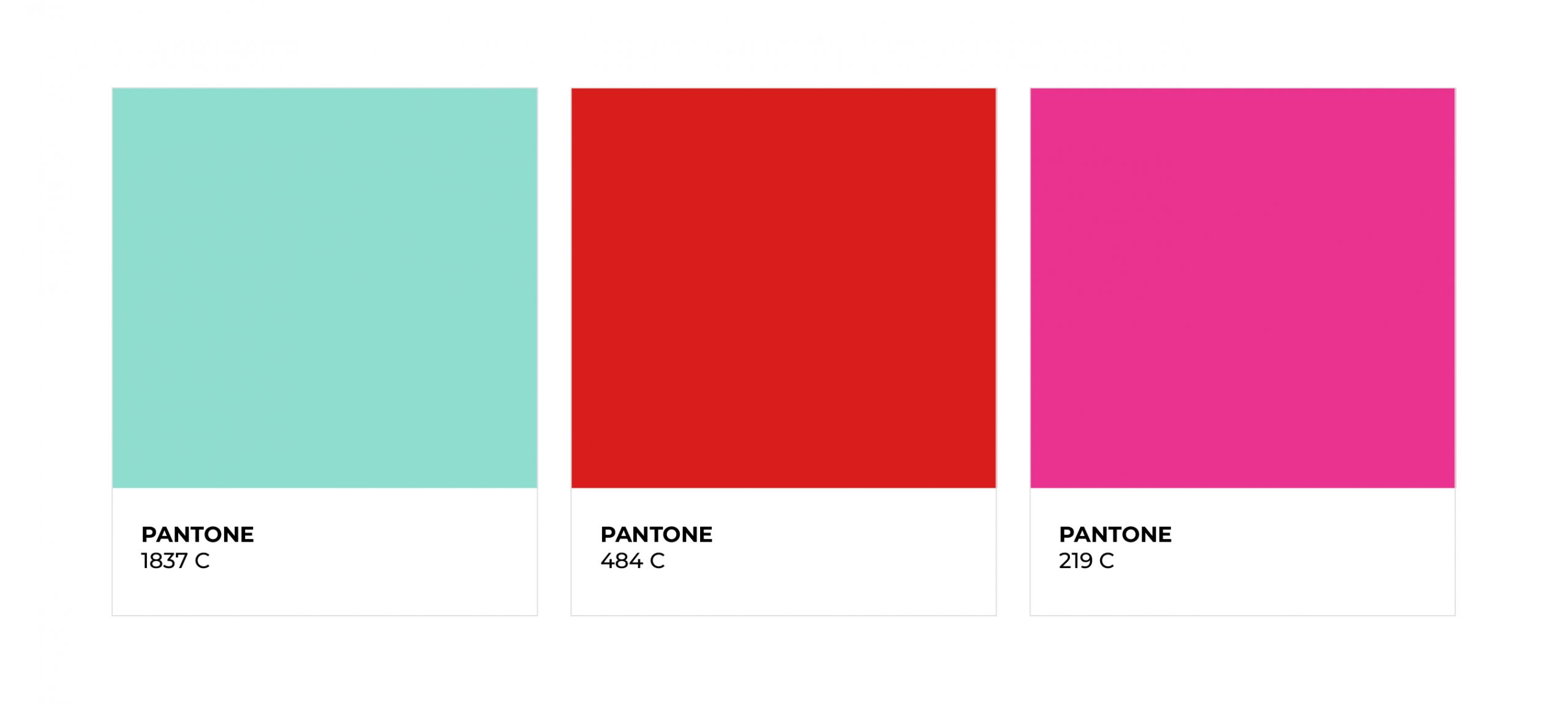
Result: beyond colors, companies are associated with specific values and identities. For example, Ecoalf immediately brings sustainability to mind; IKEA evokes a sense of family and warmth (as well as affordability); and Coca-Cola is linked to moments of happiness and shared enjoyment.